
Why choose Tender Palm Hospital for Gastrointestinal Cancer Treatment in Lucknow, India?
Tender Palm Hospital is one of the leading hospitals for Gastrointestinal (GI) cancer treatment in Lucknow, India. Our experienced Gastrointestinal (GI) surgical oncologists, gastroenterologists, medical oncologists, radiation oncologists, radiologists, pathologists, and nutrition specialists work together to provide personalized treatment. Services include advanced screening and diagnosis, minimally invasive and complex gastrointestinal surgery, chemotherapy, targeted therapy, immunotherapy, precision radiation therapy, pain management, nutritional support, and follow-up care. Our coordinated approach aims to achieve the best possible outcomes while supporting recovery and quality of life.
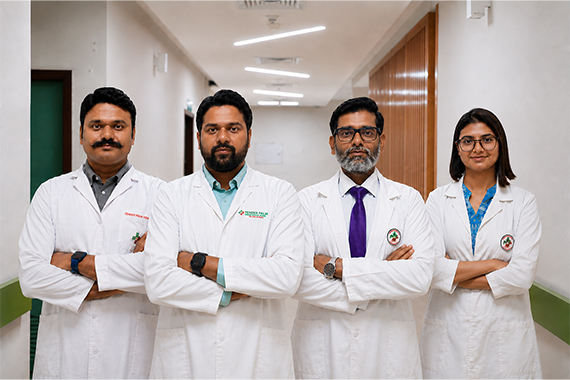
Gastrointestinal Cancer Care Team
Tender Palm Cancer Center has a dedicated multidisciplinary GI cancer team, including GI surgical oncologists, gastroenterologists, medical oncologists, radiation oncologists, radiologists, pathologists, oncology nurses, dietitians, and supportive-care specialists. The team works together to provide accurate diagnosis, personalized treatment planning, gastrointestinal surgery when required, nutritional support, recovery guidance, and comprehensive support for every patient.
Read MoreTypes of Gastrointestinal (GI) Cancer
Gastrointestinal (GI) cancer is a broad term for cancers that develop in the digestive system, including the oesophagus, stomach, small intestine, colon, rectum, liver, pancreas, gallbladder, and bile ducts. Each cancer type differs in its risk factors, symptoms, diagnosis, and treatment approach. Evaluation by an experienced multidisciplinary team helps determine the most appropriate care.
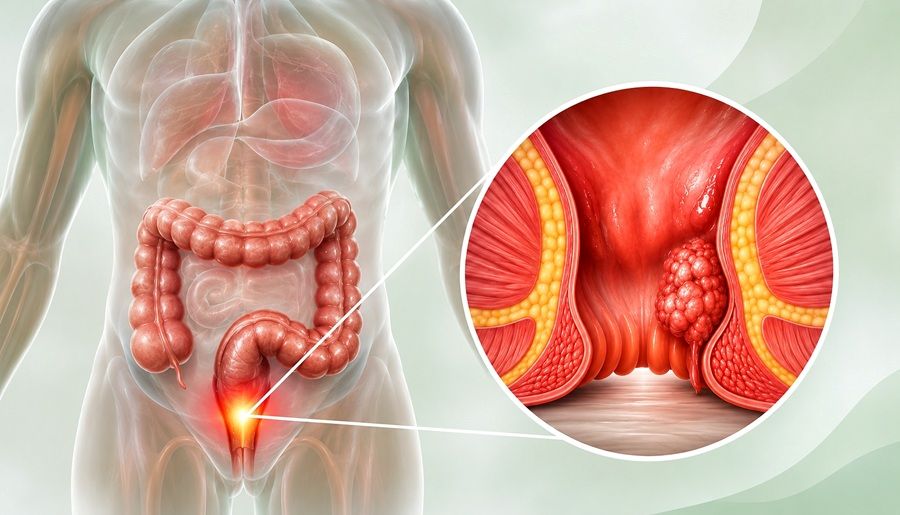
Anal Cancer
Anal cancer develops in the anal canal. Learn about its symptoms, risk factors, diagnosis, and available treatment options.
Read More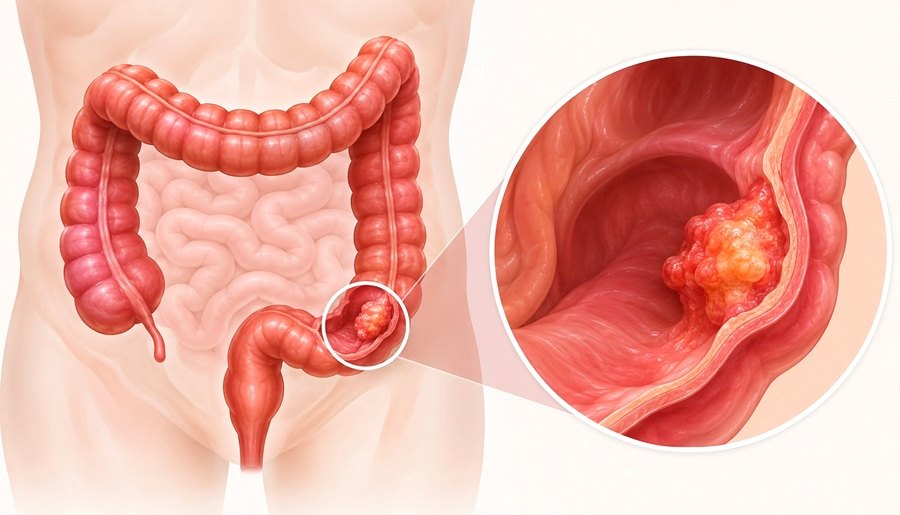
Colorectal Cancer
Colorectal cancer affects the colon or rectum. Learn about its signs, screening, diagnosis, and treatment options.
Read More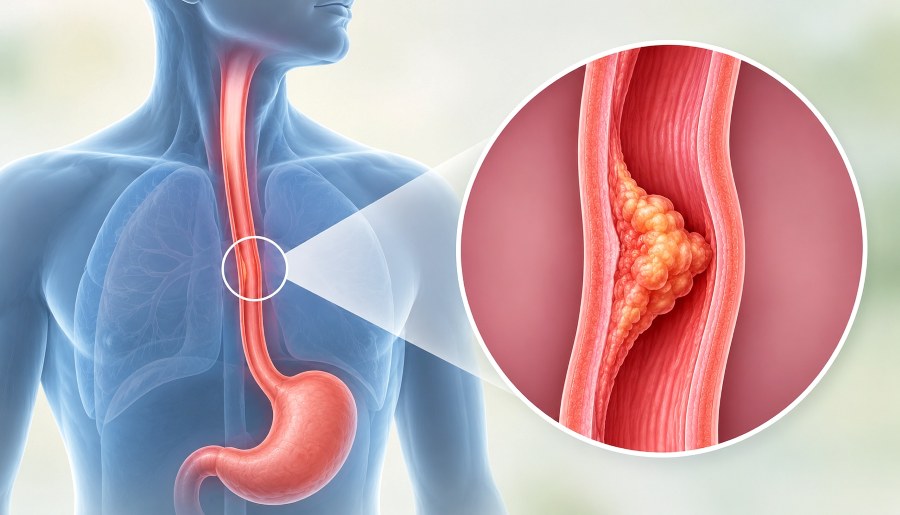
Esophageal Cancer
Esophageal cancer develops in the tube that carries food from the throat to the stomach. Explore its risk factors, symptoms, and care.
Read More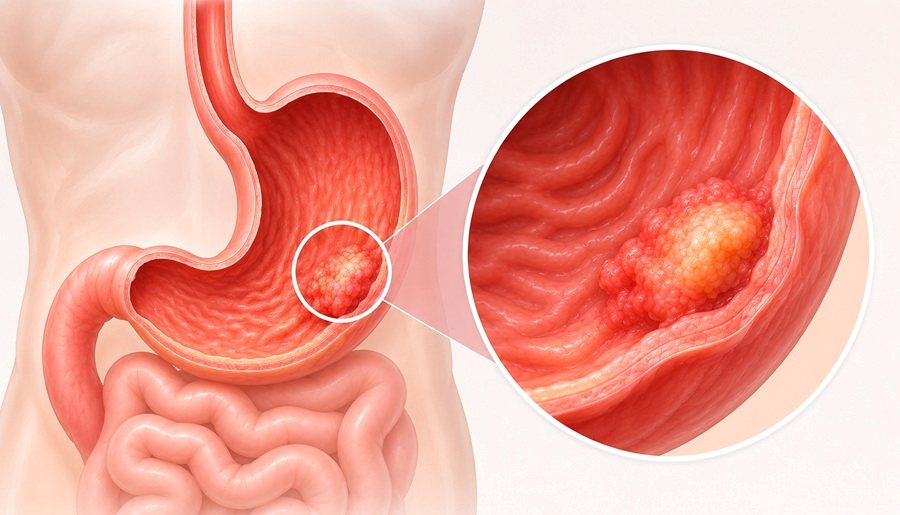
Gastric Cancer
Gastric cancer, also called stomach cancer, can cause persistent digestive symptoms. Learn about warning signs, diagnosis, and treatment.
Read More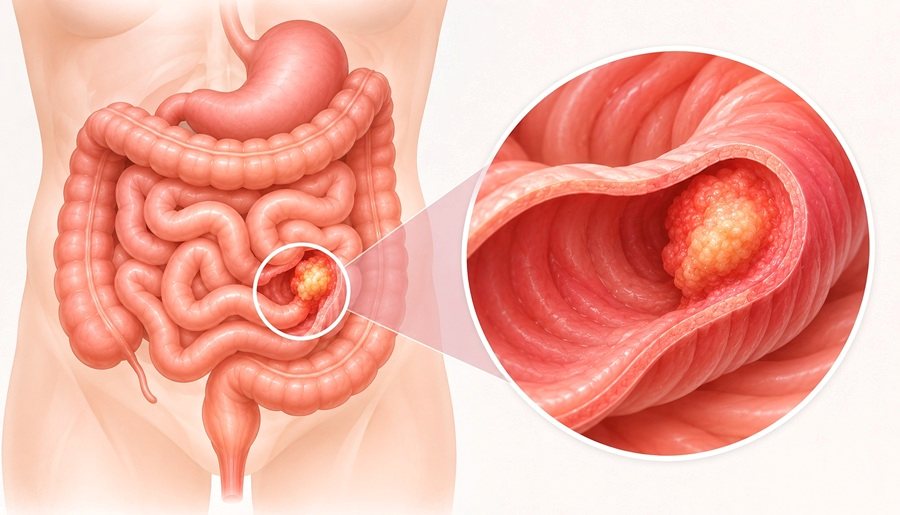
Small Intestine Cancer
Small Intestine cancer develops in the small intestine. Understand its types, possible symptoms, diagnostic tests, and treatment.
Read More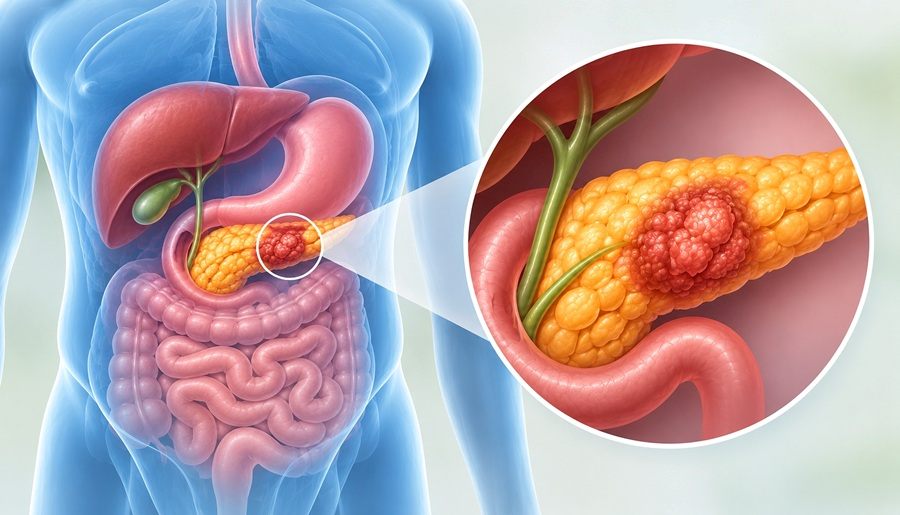
Pancreatic Cancer
Pancreatic cancer begins in the tissues of the pancreas. Learn about symptoms, risk factors, diagnosis, and available treatment options.
Read More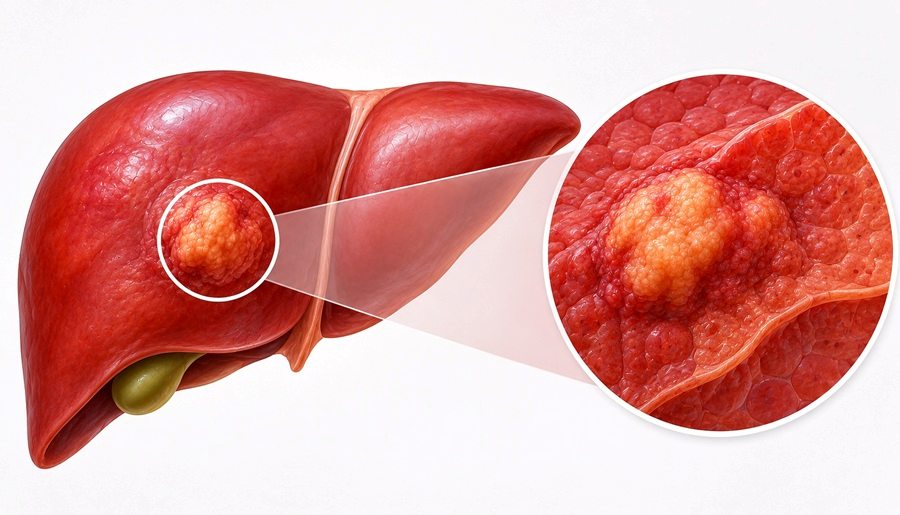
Liver Cancer
Liver cancer develops in the cells of the liver. Learn about symptoms, risk factors, diagnosis, and available treatment options.
Read More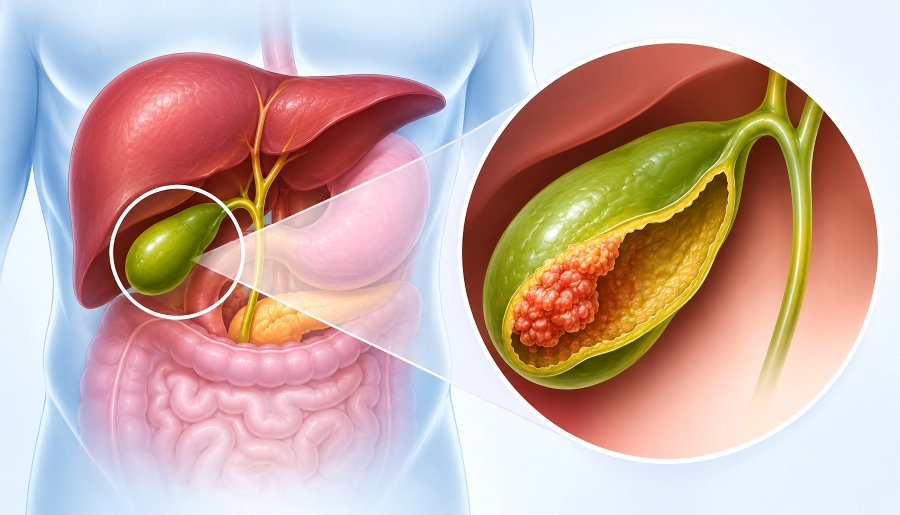
Gallbladder Cancer
Gallbladder cancer begins in the tissues of the gallbladder. Learn about symptoms, risk factors, diagnosis, and available treatment options.
Read More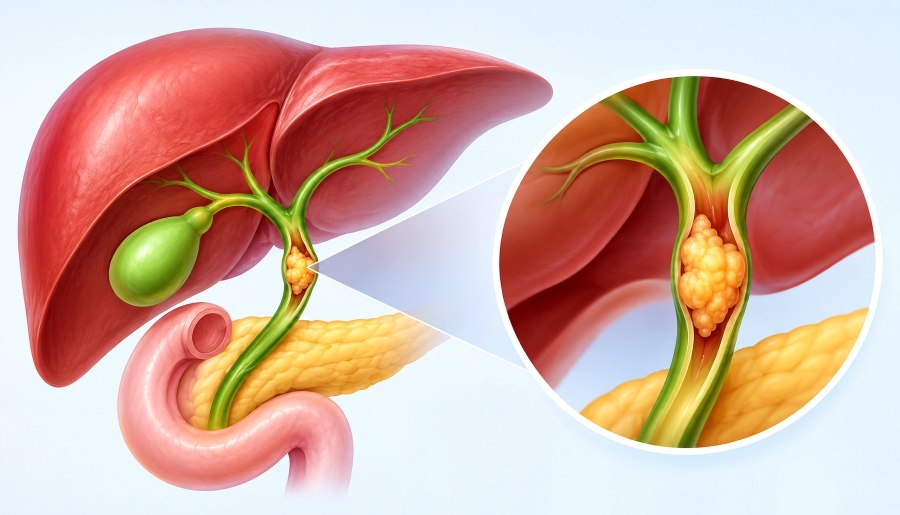
Bile Duct Cancer
Bile duct cancer (cholangiocarcinoma) develops in the bile ducts. Learn about symptoms, risk factors, diagnosis, and available treatment options.
Read More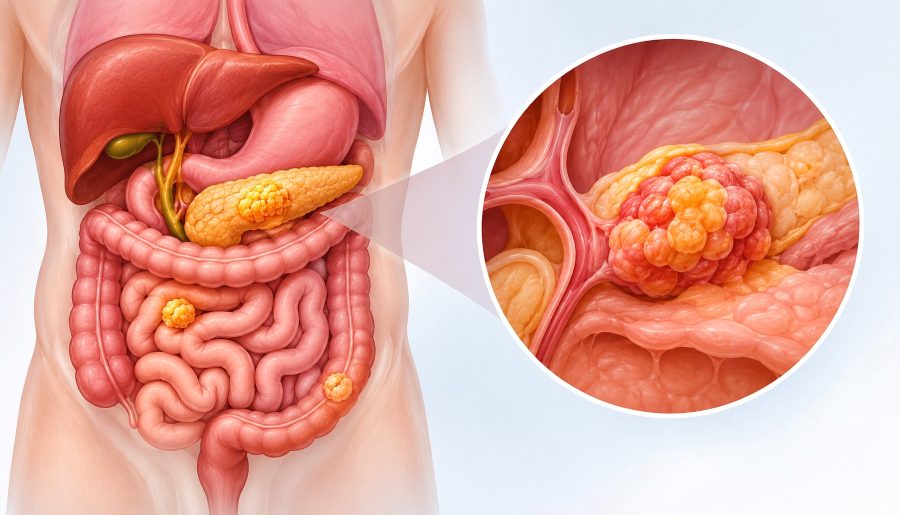
Neuroendocrine Tumors
Neuroendocrine tumors develop from hormone-producing cells, often in the digestive system. Learn about symptoms, risk factors, diagnosis, and available treatment options.
Read MoreDiagnosis & Screening for Gastrointestinal (GI) Cancer
Early diagnosis plays an important role in Gastrointestinal (GI) cancer care. Depending on the suspected cancer, evaluation may include clinical assessment, endoscopy or colonoscopy, imaging, laboratory tests, and biopsy. These investigations help identify the location and extent of the disease and guide an appropriate treatment plan. At Tender Palm Super Speciality Hospital, we offer coordinated diagnostic services to support accurate evaluation and personalized care.
Read More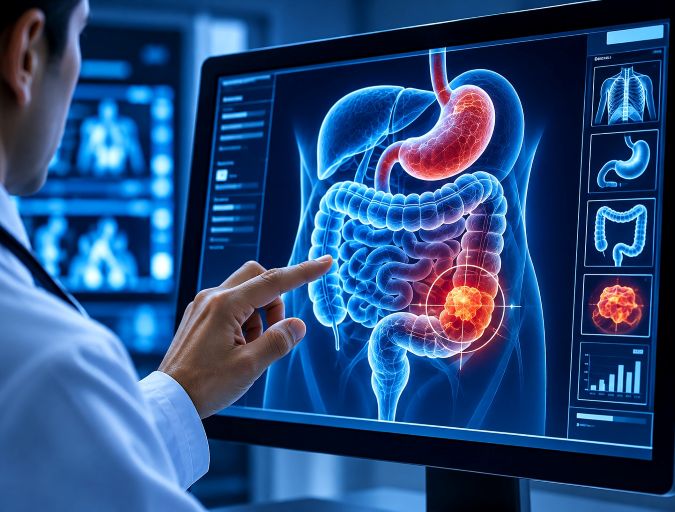
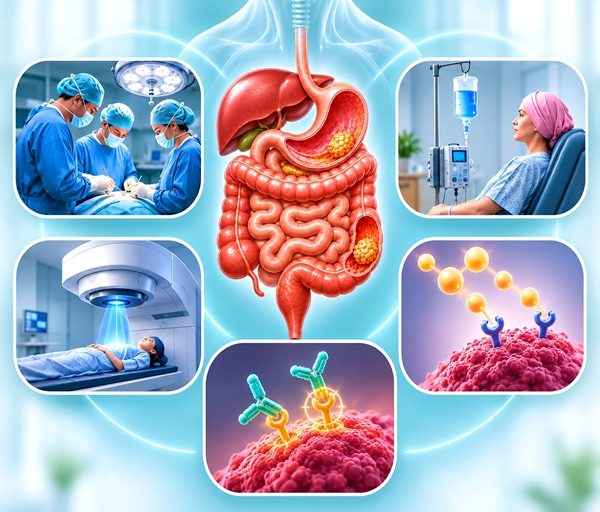
Gastrointestinal (GI) Cancer Treatment Services
Tender Palm Hospital offers comprehensive treatment for Gastrointestinal (GI) cancers through a multidisciplinary approach. Depending on the cancer type and stage, treatment may include minimally invasive or open gastrointestinal surgery, endoscopic procedures, chemotherapy, targeted therapy, immunotherapy, radiation therapy where appropriate, pain and symptom management, nutritional support, and follow-up care.
Read MoreFAQ's related to Gastrointestinal Cancer
Gastrointestinal cancer refers to cancers that develop in organs of the digestive system, such as the oesophagus, stomach, small intestine, colon, rectum, liver, pancreas, gallbladder, and bile ducts. The type of cancer and its stage help determine the most suitable treatment.
Symptoms vary by the organ involved and may include persistent abdominal pain or discomfort, unexplained weight loss, loss of appetite, difficulty swallowing, indigestion, changes in bowel habits, blood in the stool, persistent bloating, jaundice, or unexplained fatigue. These symptoms can have causes other than cancer, but persistent or concerning symptoms should be assessed by a doctor.
Risk factors differ among Gastrointestinal cancer types. They may include increasing age, tobacco use, alcohol consumption, obesity, certain dietary patterns, chronic infections or inflammatory conditions, family history, inherited genetic syndromes, and specific liver or digestive diseases. Having a risk factor does not mean a person will develop cancer.
Diagnosis depends on the suspected organ and may include blood tests, upper GI endoscopy, colonoscopy, ultrasound, CT scan, MRI, PET-CT, endoscopic ultrasound, and biopsy. The results help identify the cancer type and stage and guide treatment planning.
Treatment depends on the cancer type, location, stage, and the patient’s overall health. Options may include endoscopic treatment for selected early cancers, gastrointestinal surgery, chemotherapy, targeted therapy, immunotherapy, radiation therapy for selected cancers, and supportive and nutritional care. The multidisciplinary team creates an individualized treatment plan.
Some Gastrointestinal cancers can be treated successfully and may be curable, particularly when detected at an early stage. Outcomes depend on the cancer type, stage, response to treatment, and the patient’s overall health. A specialist can explain the outlook after reviewing the diagnostic results.
Risk varies by Gastrointestinal cancer type. Factors may include older age, smoking, alcohol use, obesity, family history, inherited conditions, chronic inflammatory bowel disease, certain infections, and chronic liver disease. People with relevant risk factors should discuss appropriate screening or assessment with their doctor.
Tender Palm Gastrointestinal Cancer care brings together experienced GI surgical oncologists, gastroenterologists, medical oncologists, radiation oncologists, radiologists, and supportive-care specialists. Patients receive coordinated diagnostic evaluation, individualized treatment planning, advanced treatment facilities, nutritional guidance, and compassionate care under one roof.
The cost of Gastrointestinal cancer treatment depends on the cancer type and stage, diagnostic investigations, surgery or procedures, medicines, chemotherapy, radiation therapy, hospital stay, and supportive care required. A personalized estimate can be provided after specialist evaluation and review of the treatment plan.
You can easily book an appointment with our Gastrointestinal Cancer specialists at Tender Palm Super Speciality Hospital, Lucknow, through our website or by contacting our patient support team for consultation and treatment guidance.
.jpeg)


Awards & Accreditations


