
Why choose Tender Palm Hospital for Lung Cancer Treatment in Lucknow, India?
Lung cancer care requires accurate diagnosis, careful staging, and a treatment plan tailored to each patient's condition. At Tender Palm Super Speciality Hospital, our approach brings together specialist evaluation, diagnostic support, medical oncology, radiation oncology, and surgical consultation where appropriate. We focus on individualized treatment planning, clear communication with patients and families, symptom management, and coordinated follow-up throughout the treatment journey.
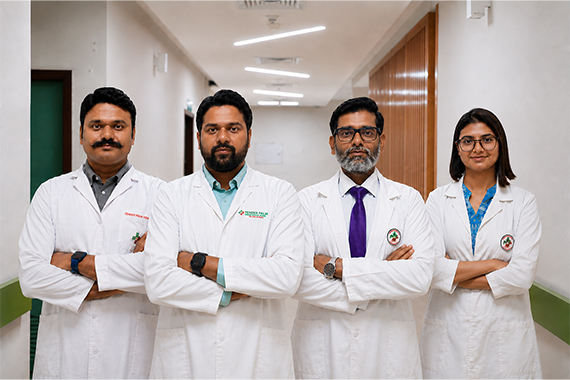
Lung Cancer Care Team
Lung cancer treatment often requires collaboration among medical oncologists, radiation oncologists, thoracic surgeons, radiologists, pathologists, and supportive care specialists. At Tender Palm Super Speciality Hospital, our multidisciplinary approach helps evaluate each patient's diagnosis, cancer stage, overall health, and treatment options. Our team works to coordinate care, explain available therapies, and support patients and their families through treatment and follow-up.
Read MoreLung Cancer Treatment Services
Tender Palm Super Speciality Hospital offers comprehensive lung cancer treatment services tailored to the type, stage, and specific characteristics of each patient's cancer. Our treatment approach may include chemotherapy, radiation therapy, targeted therapy, immunotherapy, and surgical treatment where appropriate. Our oncology team focuses on personalized treatment planning, symptom management, and coordinated care to help patients understand their options and navigate every stage of treatment.
Chemotherapy for Lung Cancer
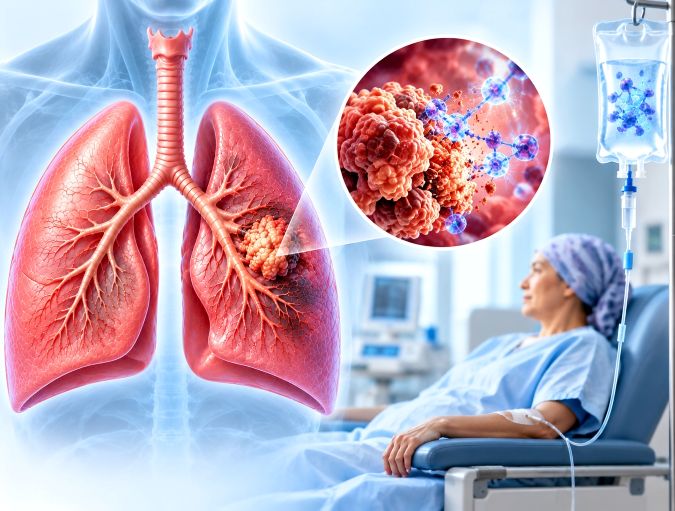
Chemotherapy uses anti-cancer medicines to destroy cancer cells or slow their growth. It may be recommended for small-cell or non-small-cell lung cancer, depending on the cancer stage and treatment goals. It may be used alone or in combination with radiation therapy, immunotherapy, or other treatments. At Tender Palm Super Speciality Hospital, treatment planning is based on the patient's diagnosis, overall health, and individual care requirements.
Radiation Therapy for Lung Cancer
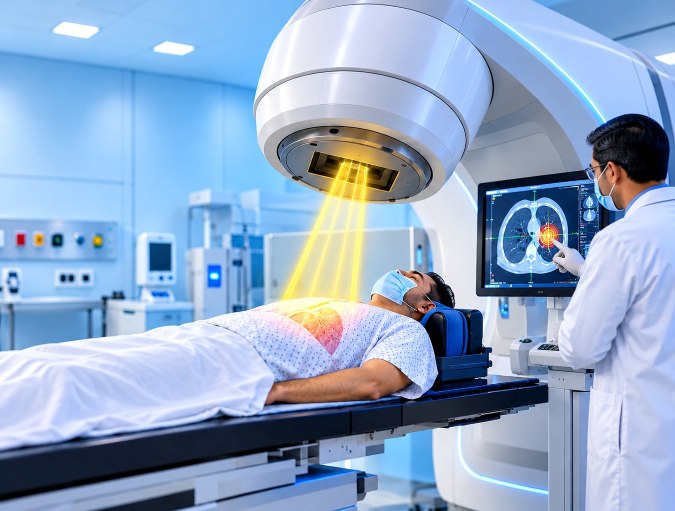
Radiation therapy uses high-energy radiation to target cancer cells in the lungs. It may be used for selected early-stage or locally advanced lung cancers and to help relieve symptoms in appropriate cases. Techniques such as intensity-modulated radiation therapy (IMRT) and stereotactic body radiation therapy (SBRT) may be considered when clinically appropriate and available. The treatment plan depends on tumour location, cancer stage, and the patient's overall condition.
Targeted Therapy for Lung Cancer
Targeted therapy uses medicines that act on specific molecular changes involved in cancer growth. For eligible patients with non-small-cell lung cancer, biomarker testing may identify alterations such as EGFR, ALK, ROS1, and other actionable targets. These results can help specialists select suitable treatment options. At Tender Palm Super Speciality Hospital, treatment decisions should be based on molecular findings, cancer stage, previous treatment, and the patient's overall health.
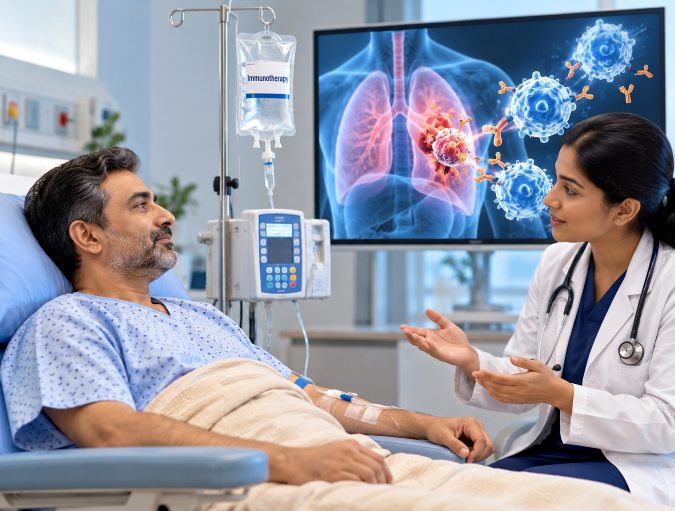
Immunotherapy for Lung Cancer
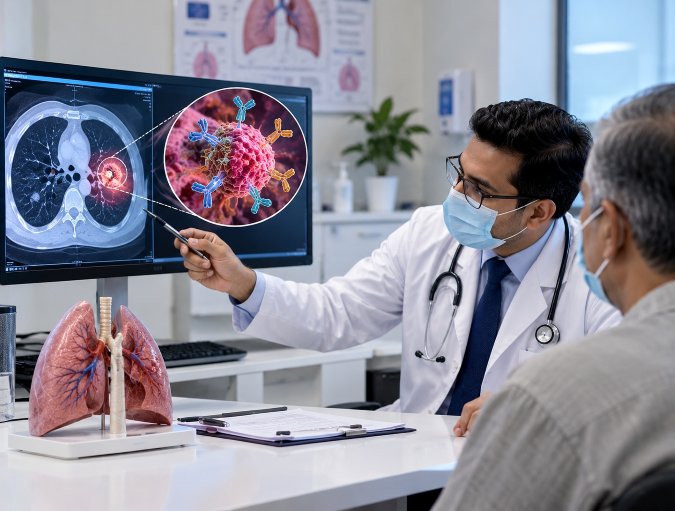
Immunotherapy helps the immune system recognize and attack cancer cells. Certain immunotherapy medicines may be used for eligible patients with small-cell or non-small-cell lung cancer, depending on the clinical situation. Treatment may be given alone or alongside chemotherapy or other therapies. Suitability depends on the cancer type and stage, biomarker results, previous treatments, and overall health. Specialist assessment helps determine potential benefits, risks, and monitoring needs.
Lung Cancer Surgical Treatments
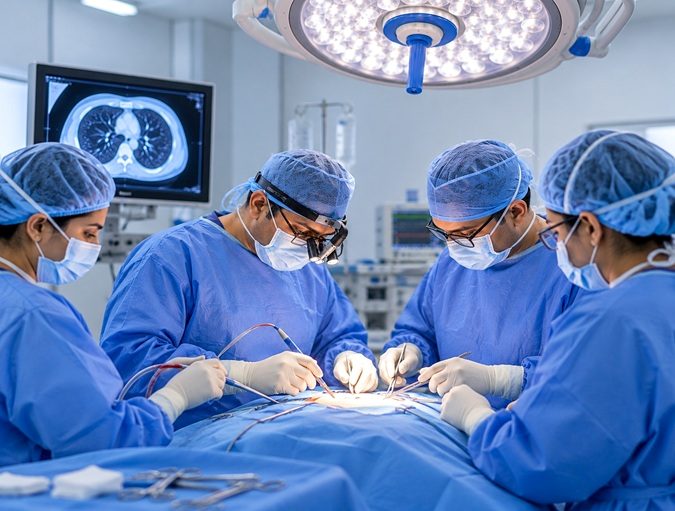
Surgery may be an option for selected patients with localized lung cancer when the tumour can be removed safely. Depending on its size, location, and stage, surgical procedures may include wedge resection, segmentectomy, lobectomy, or pneumonectomy in selected cases. Minimally invasive approaches, such as video-assisted thoracoscopic surgery (VATS), may also be considered when suitable. A specialist evaluation helps determine whether surgery is appropriate for the patient's condition.

Supportive and Palliative Care for Lung Cancer
Supportive care helps manage symptoms and treatment-related side effects while improving comfort and quality of life. Depending on individual needs, care may include pain management, relief of breathlessness, nutritional guidance, emotional support, and assistance with treatment-related concerns. Palliative care may be provided alongside cancer treatment when appropriate. Care plans are tailored to the patient's symptoms, preferences, and overall clinical condition.
Frequently Asked Questions About Lung Cancer
Lung cancer treatment depends on the type, stage, and specific characteristics of the cancer. Treatment options may include chemotherapy, radiation therapy, targeted therapy, immunotherapy, and surgery for eligible patients. A specialist evaluates the diagnosis and overall health to recommend an appropriate treatment plan.
Patients diagnosed with or suspected of having lung cancer should consult an appropriate cancer specialist, such as a medical oncologist, radiation oncologist, or thoracic surgeon, depending on their condition. The treating team may coordinate care across specialties to determine the most suitable treatment approach.
Yes, lung cancer can be treated. Some early-stage lung cancers may be treated with curative intent, while advanced cancers may require treatments to control disease progression and manage symptoms. Outcomes depend on the cancer type, stage, overall health, and response to treatment.
No, surgery is not necessary for every patient. It may be recommended for selected patients with localized lung cancer. Depending on the diagnosis and stage, other options may include chemotherapy, radiation therapy, targeted therapy, immunotherapy, or a combination of treatments.
Chemotherapy uses anti-cancer medicines to destroy cancer cells or slow their growth. It may be used alone or alongside radiation therapy, immunotherapy, surgery, or other treatments, depending on the type and stage of lung cancer.
Targeted therapy uses medicines that act on specific molecular changes involved in cancer growth. Biomarker testing can help identify eligible patients who may benefit from these treatments. The choice of therapy depends on the test results, cancer type, stage, and clinical assessment.
Immunotherapy may be recommended for selected patients with lung cancer based on the cancer type, stage, biomarker results, previous treatments, and overall health. It may be used alone or in combination with other treatments when clinically appropriate.
Tests may include chest CT, PET-CT when indicated, bronchoscopy, biopsy, pathological examination, and molecular or biomarker testing. The investigations required depend on the patient's symptoms, suspected cancer type, and clinical condition.
The cost of lung cancer treatment in Lucknow varies according to the cancer stage, diagnostic investigations, medicines, treatment duration, hospital requirements, and whether surgery or a combination of therapies is needed. Contact Tender Palm Super Speciality Hospital for information about consultation charges, available treatment options, and an individualized cost estimate.
Consult a specialist if you have persistent respiratory symptoms, an abnormal chest scan, or a suspected or confirmed lung cancer diagnosis. Symptoms such as coughing up blood or significant breathing difficulty require prompt medical evaluation.
Yes, treatment planning is individualized according to the cancer type, stage, molecular test results, general health, and patient preferences. A multidisciplinary team may review these factors to determine suitable treatment options and supportive care.
You can contact Tender Palm Super Speciality Hospital through its official contact details or appointment facility to arrange a consultation. Keep previous medical reports, imaging scans, biopsy results, and details of any ongoing treatment available for the specialist's review.
.jpeg)


Awards & Accreditations


