Head and neck cancers can develop in different parts of the mouth, throat, voice box, salivary glands, and nasal cavity. Each type has unique symptoms, risk factors, and treatment options. Early diagnosis improves the chances of successful treatment.
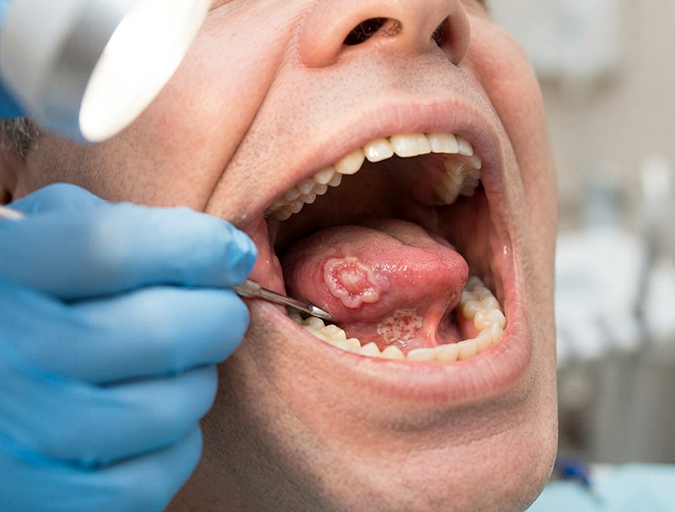
Oral Cavity Cancer (Mouth)
Mouth cancer develops in the lips, tongue, gums, cheeks, or roof and floor of the mouth. Common symptoms include non-healing ulcers, pain, white or red patches, and difficulty chewing.
Read More
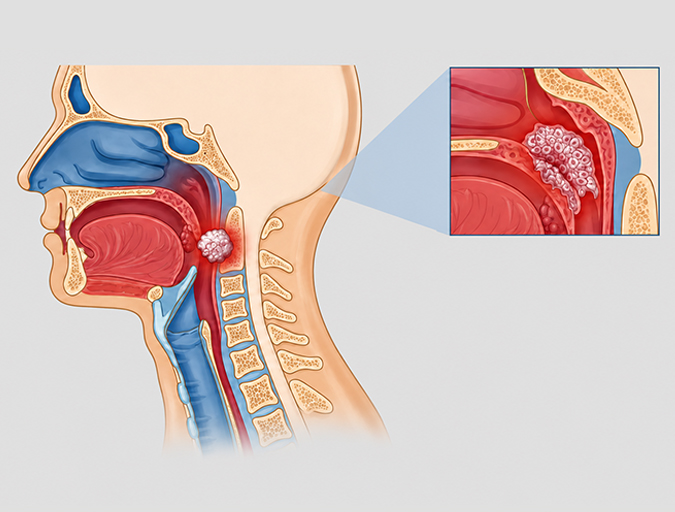
Throat Cancer (Pharyngeal)
Throat cancer affects the pharynx connecting the mouth and nose to the food pipe. Symptoms include persistent sore throat, swallowing difficulty, neck lumps, and ear pain.
Read More
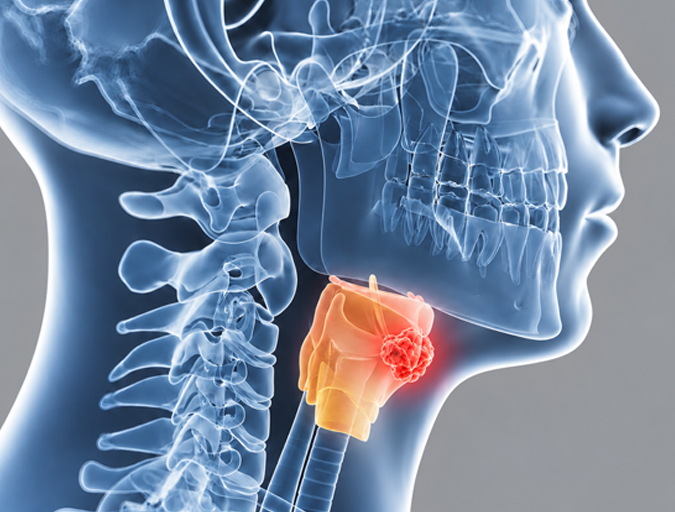
Voice Box Cancer (Laryngeal)
Laryngeal cancer begins in the voice box that controls speech and breathing. Long-lasting hoarseness, voice changes, cough, or breathing difficulty should not be ignored.
Read More
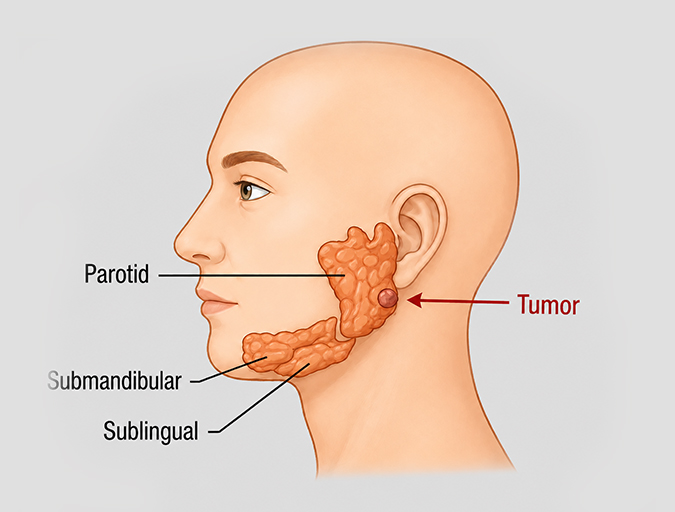
Salivary Gland Cancer
This rare cancer starts in the salivary glands around the mouth and jaw. Swelling, facial numbness, pain, or difficulty opening the mouth require medical evaluation.
Read More
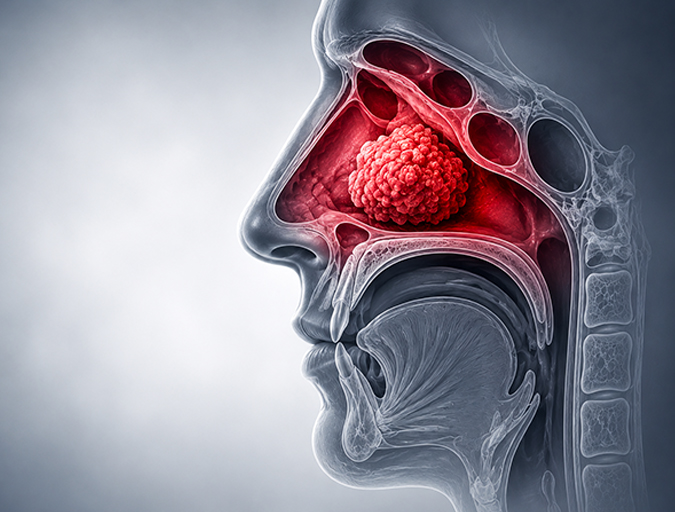
Nasal Cavity & Paranasal Sinus Cancer
This cancer develops in the nasal cavity or surrounding sinuses. Persistent nasal blockage, nosebleeds, facial swelling.
Read More


